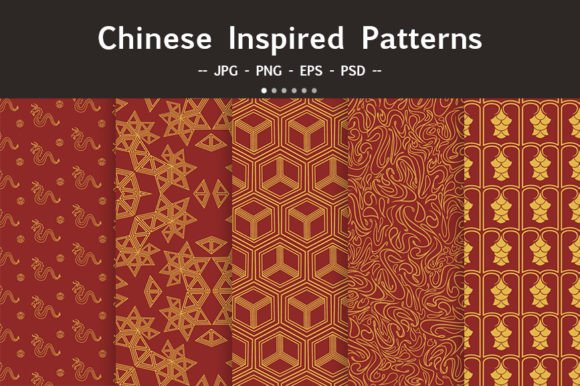
Chinese Inspired Pattern Backgrounds
Chinese inspired pattern backgrounds offer a unique blend of tradition and modernity, making them ideal for a wide range of creative projects. These patterns are deeply rooted in Chinese culture, drawing from elements such as traditional art, calligraphy, and nature motifs. Whether you're designing promotional materials, creating digital art, or looking to add an authentic touch to your branding, these patterns provide a versatile foundation that can be adapted to suit various needs.
Understanding Chinese Inspired Patterns
Chinese inspired patterns often feature intricate designs that reflect the rich heritage of Chinese art and symbolism. Common elements include dragons, phoenixes, bamboo, lotus flowers, and traditional Chinese characters. These motifs carry deep cultural significance and can be used to convey messages of prosperity, harmony, and good fortune.
When selecting a pattern, consider the context in which it will be used. For example, a dragon motif might be more appropriate for a business related to power and strength, while a lotus flower could symbolize purity and renewal. Understanding the symbolism behind each design helps ensure that the pattern aligns with the intended message or theme.
Integration into Creative Projects
Chinese inspired pattern backgrounds can be integrated into various stages of a creative project. Before starting a design, you can use these patterns as inspiration or reference points. They can also serve as background elements during the design process, helping to guide color choices and layout decisions.
During the execution phase, these patterns can be applied directly to different surfaces such as fabric, posters, or digital screens. Their versatility allows for seamless integration into both traditional and contemporary designs. After completing a project, they can be repurposed for other uses, such as creating branded merchandise or promotional materials.
Practical Implementation Tips
- Preparation: Ensure that you have access to high-quality files of the patterns. The collection includes 10 JPG files (colored and black and white versions), 5 PNG files (black and white versions), 5 EPS format files, and 5 PSD format files. Each pattern is stored in its own folder, making it easy to organize and locate specific designs.
- Compatibility: Check the compatibility of the files with your design software. EPS and PSD formats are particularly useful for vector editing and layer-based manipulation, allowing for greater flexibility in customization.
- Usability: Take advantage of the repeatable and seamless nature of four out of the five patterns. This feature makes them ideal for tiling across large surfaces without visible seams, ensuring a clean and professional look.
- Organization: Maintain a clear file structure by keeping each pattern in its designated folder. This practice not only enhances efficiency but also simplifies the process of retrieving and using specific designs when needed.
Additionally, each pattern comes with an additional PNG file of the original source, which can be used for further continuation or modification. This provides designers with the opportunity to build upon existing designs or adapt them to fit specific requirements.
Use Cases and Workflow Integration
The application of Chinese inspired pattern backgrounds spans multiple industries and use cases. In the realm of graphic design, these patterns can be used to create visually appealing backgrounds for websites, social media posts, and marketing collateral. For instance, a designer working on a campaign for a luxury brand might incorporate a dragon motif to evoke a sense of power and prestige.
In the textile industry, these patterns can be printed onto fabrics to produce clothing, home décor items, and accessories. A fashion designer might choose a lotus flower pattern for a line of apparel that emphasizes elegance and grace. Similarly, a home décor brand could use bamboo motifs to create a collection of bedding or curtains that exude a sense of tranquility and natural beauty.
For digital creators, these patterns can be used as backgrounds for phone cases, laptop skins, and other tech accessories. The editable nature of the files allows for personalization, enabling users to customize their devices with unique designs that reflect their individual style.
Workflow Examples
- Design Phase: Begin by researching and selecting a pattern that aligns with the project's theme. Use the provided PNG files to visualize how the pattern will look in different contexts before finalizing the design.
- Implementation Phase: Apply the chosen pattern to the desired surface using the appropriate file format. For digital projects, use the JPG or PNG files, while for print-based applications, the EPS or PSD files may be more suitable.
- Post-Production Phase: Once the design is complete, review the final output to ensure that the pattern is applied correctly and that there are no visible issues such as misalignment or distortion.
By following this workflow, designers can ensure that the integration of Chinese inspired pattern backgrounds is both efficient and effective, resulting in a cohesive and aesthetically pleasing outcome.
Factors for Long-Term Use and Quality Control
To maximize the long-term value of Chinese inspired pattern backgrounds, it's important to consider factors such as quality control and consistency. High-resolution files are essential for maintaining clarity and detail, especially when scaling up or printing the patterns. Additionally, ensuring that the colors used in the patterns are consistent across all formats helps maintain a unified visual identity.
Consistency is also crucial when using these patterns across multiple platforms or mediums. For example, if a pattern is used for both digital and print purposes, it should appear uniform in terms of color, texture, and overall appearance. This requires careful attention to detail during the design and implementation phases.
Regularly reviewing and updating the collection of patterns can help keep the designs relevant and aligned with current trends. This practice ensures that the patterns remain versatile and adaptable to changing design preferences and market demands.
By focusing on preparation, compatibility, usability, organization, efficiency, consistency, quality control, and long-term use, designers can seamlessly integrate Chinese inspired pattern backgrounds into their workflows, enhancing both the aesthetic appeal and functional utility of their projects.