Understanding the Versatility of Abstract Flower Vector Design
Abstract flower vector design is more than just a decorative element; it's a versatile and meaningful visual tool that resonates across multiple industries and creative applications. Unlike traditional floral illustrations, abstract flower vectors focus on simplifying the essence of a flower through geometric shapes, stylized forms, and minimalistic approaches. This makes them adaptable for a wide range of uses, from branding to personal art projects. Understanding what sets an abstract flower vector apart and how it compares to other design styles can help you determine whether it’s the right choice for your needs.
What Is an Abstract Flower Vector?
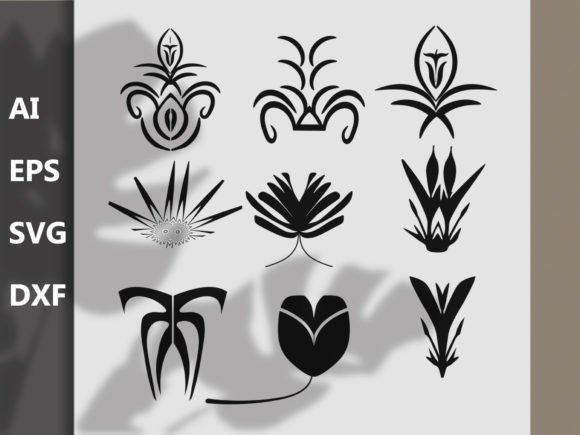
An abstract flower vector refers to a digital illustration of a flower that has been simplified or stylized into non-representational or semi-abstract forms. These designs are typically created using vector-based software such as Adobe Illustrator, which allows for scalable and high-quality output without loss of resolution. The key feature of an abstract flower vector is its departure from realism, focusing instead on conveying emotion, symbolism, or aesthetic appeal through form and color.
These vectors often use elements like lines, curves, and blocks of color to represent petals, stems, and leaves in a way that is both artistic and functional. This approach allows for greater flexibility in scaling, re-coloring, and modifying the design to suit different contexts and purposes.
How Abstract Flower Vectors Compare to Other Floral Designs
When considering floral design options, it's important to understand how abstract flower vectors differ from more traditional styles. Realistic floral illustrations, for example, are highly detailed and accurate representations of actual flowers. While these may be ideal for botanical illustrations or high-end fashion prints, they lack the adaptability and simplicity of abstract versions.
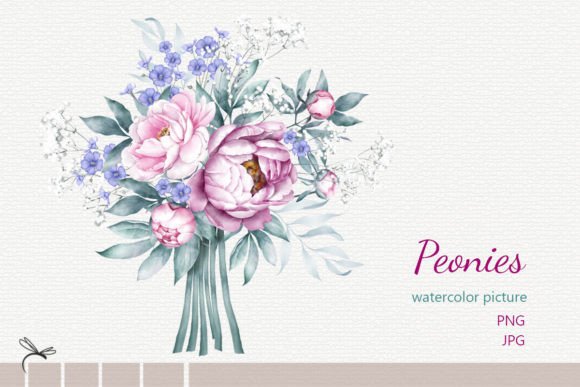
On the other hand, watercolor-style floral designs offer a softer, more organic feel. However, these tend to be less scalable and harder to modify digitally compared to vector-based formats. Abstract flower vectors bridge the gap between realism and artistic expression, offering the benefits of scalability, ease of customization, and versatility.
If you're working on a project that requires frequent changes or resizing—such as creating a logo, business card, or website background—an abstract flower vector is often a more practical choice than a watercolor or realistic design.
Strengths and Tradeoffs of Using Abstract Flower Vectors
The primary strength of abstract flower vectors lies in their adaptability. They can be easily modified to match brand colors, resized for different media, and used across various platforms without losing quality. Additionally, their minimalist nature makes them suitable for both modern and traditional aesthetics, allowing them to fit seamlessly into a wide range of design themes.
However, there are tradeoffs to consider. Because abstract designs simplify the subject matter, they may not be suitable for projects where accuracy or detail is crucial. For instance, if you're designing a botanical guide or a scientific publication, a more realistic floral illustration would likely be more appropriate.
Another consideration is the level of creativity required to interpret the design. While this can be an advantage for artists looking to express personal style, it may also require additional effort when trying to communicate specific messages or themes through the imagery.
Best-Fit Situations for Abstract Flower Vectors
Abstract flower vectors are particularly well-suited for several common applications. In the world of branding, they can serve as subtle yet effective logos or icons that convey growth, harmony, or natural beauty. Their clean lines and bold shapes make them ideal for minimalist logos that still carry symbolic meaning.
In the realm of print design, abstract flower vectors work well for greeting cards, invitations, and packaging. Their ability to be re-colored and adapted makes them a flexible option for seasonal or themed designs. For example, a wedding invitation might use a soft pastel abstract flower vector, while a birthday card could feature a more vibrant and dynamic version.
Digital designers also benefit from the scalability of abstract flower vectors. Whether it's for a website header, mobile app icon, or social media graphic, these designs maintain clarity at any size. This is especially useful for responsive web design, where images need to look good on screens of all sizes.
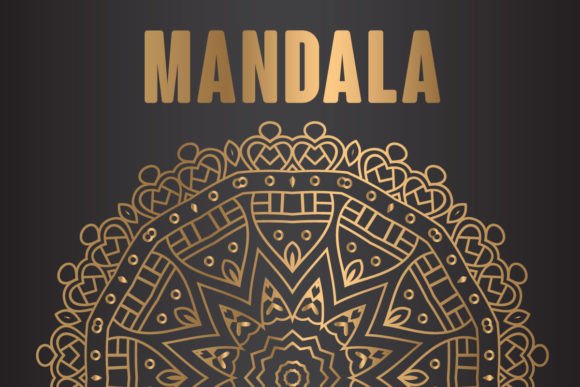
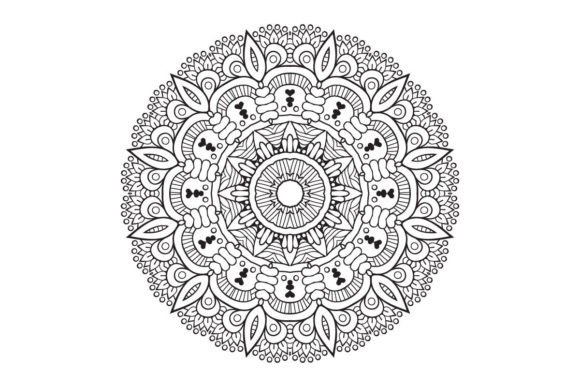
For personal use, abstract flower vectors can be found in coloring pages, meditation posters, and even tattoo designs. Their simplified forms make them accessible for people who enjoy creative activities, while their symbolic nature can provide a calming or inspiring effect.
When to Choose an Abstract Flower Vector Over Other Options
Choosing an abstract flower vector over other design styles depends largely on the context and purpose of the project. If you're aiming for a modern, clean look with a touch of nature, an abstract flower vector is a strong contender. It’s also a great choice when you need a design that can be easily customized or adapted across different platforms and media.
However, if your project requires a high level of detail or authenticity, a realistic floral illustration might be more appropriate. Similarly, if you’re working within a traditional or historical theme, a watercolor-style design may better align with the desired aesthetic.
It’s also worth considering the technical requirements of your project. If you're designing for print, vector files such as AI, EPS, and SVG are ideal because they ensure crisp, clear output at any size. If you're working with digital tools or laser cutting, DXF files may also be necessary, depending on the application.
Practical Examples of Abstract Flower Vector Use Cases
To better understand the practicality of abstract flower vectors, consider the following examples:
- Business Cards: A minimalist abstract flower vector can be used as a background or border element, adding a subtle touch of nature without overwhelming the text.
- Website Backgrounds: Scalable abstract flower vectors can be used as repeating patterns or full-screen backgrounds, providing a visually appealing yet professional look.
- Fashion Design: Textile designers often use abstract flower vectors to create unique patterns that can be applied to clothing, accessories, or home decor items.
- Meditation Posters: The calming and symbolic nature of abstract flower vectors makes them ideal for mindfulness and wellness-related visuals.
- Tattoo Art: Many tattoo artists incorporate abstract flower vectors into their designs due to their clean lines and adaptability to body contours.
Each of these examples highlights how the same design can be repurposed and adapted to meet different needs, making abstract flower vectors a valuable resource for both professionals and hobbyists alike.
Conclusion
Abstract flower vectors offer a unique blend of artistic expression and practical utility, making them a compelling choice for a variety of design applications. Whether you're looking to add a touch of nature to your branding, create a personalized artwork, or explore new design possibilities, these vectors provide a flexible and scalable solution. By understanding their strengths, limitations, and best-fit scenarios, you can make an informed decision about whether an abstract flower vector is the right choice for your next project.