Cover Designs: Strategic Visual Storytelling for Modern Creatives
In today’s visually driven world, Cover Designs serve as the first point of contact between a brand and its audience. Whether it's a book, brochure, business card, or digital banner, the cover design sets the tone, communicates value, and influences perception. For professionals across industries—from entrepreneurs to educators—understanding how to leverage Cover Designs is not just an aesthetic choice; it's a strategic decision that can enhance branding, improve communication, and drive engagement.
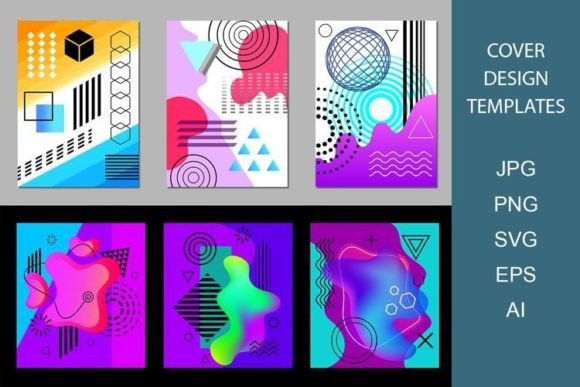
Modern vector front page art, especially with elements like Memphis design, colorful amoebas, liquid forms, and flat geometric shapes, offers a dynamic way to capture attention while maintaining clarity and professionalism. These designs are not only visually appealing but also highly adaptable, making them ideal for a wide range of applications including books, brochures, banners, visit cards, and business cards.
The Strategic Value of Cover Designs
Cover Designs are more than just decorative elements—they are powerful tools for storytelling and brand identity. A well-crafted cover can convey the essence of a product, service, or idea in an instant. It acts as a visual summary that can influence decisions, spark curiosity, and encourage further exploration.
For creators and marketers, this means that investing time and resources into thoughtful cover design can lead to better outcomes. A strong cover increases the likelihood of being noticed in a crowded marketplace, improves user experience, and supports long-term brand recognition. In practical terms, this could mean higher conversion rates, stronger customer loyalty, or even increased sales.
Consider a small business owner launching a new product line. A cohesive set of Cover Designs across packaging, marketing materials, and digital assets creates a unified brand image that resonates with customers. This consistency helps build trust and reinforces the brand's message across all touchpoints.
When to Use Cover Designs Strategically
Knowing when to use Cover Designs effectively requires understanding the context and goals of your project. Here are some key scenarios where strategic use of cover design can make a significant impact:
- Launching New Products or Services: A fresh cover design can signal innovation and set a new brand direction.
- Rebranding Efforts: Updating cover designs aligns with broader rebranding initiatives, ensuring all materials reflect the new identity.
- Marketing Campaigns: Consistent cover design across print and digital media strengthens campaign visibility and recall.
- Internal Communication: For businesses, using consistent cover designs in reports, presentations, and internal documents fosters professionalism and clarity.
Each of these situations benefits from a tailored approach to Cover Designs, ensuring that the visuals support the overall strategy and messaging.
Design Elements That Elevate Cover Designs
Modern Cover Designs often incorporate vibrant and innovative visual elements such as Memphis style patterns, colorful amoebas, and fluid forms. These elements bring energy and creativity to otherwise static formats, making them stand out in a competitive landscape.
Memphis design, characterized by its bold colors, geometric shapes, and playful arrangements, adds a sense of fun and uniqueness to covers. Similarly, the use of colorful amoebas introduces organic movement and fluidity, which can be particularly effective for creative fields like publishing, education, and entertainment.
Liquid forms and flat geometric elements provide a balance between modern minimalism and expressive design. These components allow for versatility, enabling designers to create covers that are both visually striking and functionally useful.
By integrating these elements thoughtfully, professionals can create Cover Designs that resonate with their target audience and reinforce brand values without sacrificing usability.
Practical Applications of Cover Designs
Cover Designs have broad applications across various industries and mediums. Here are some specific examples of how they can be used strategically:
- Books and Publications: A compelling cover design can significantly increase reader interest and sales. Publishers often invest heavily in this area to ensure their titles stand out on shelves or in online listings.
- Brochures and Flyers: Effective cover designs help attract attention and communicate key information quickly. They are essential for events, promotions, and informational campaigns.
- Banners and Digital Ads: Online platforms require high-quality, eye-catching visuals. Cover Designs tailored for digital use ensure maximum impact and engagement.
- Business Cards and Visit Cards: Even small formats benefit from smart design choices. A well-designed business card can leave a lasting impression and enhance professional credibility.
These practical applications highlight the importance of considering Cover Designs as part of a larger visual strategy, rather than as isolated elements.
Planning and Creating Effective Cover Designs
To maximize the effectiveness of Cover Designs, it's crucial to approach the process with intention and planning. Here are some steps to guide you through the creation of impactful covers:
- Define Your Goals: What do you want your cover to achieve? Is it to inform, persuade, entertain, or inspire?
- Understand Your Audience: Who will see your cover? What are their preferences, needs, and expectations?
- Choose the Right Style: Select design elements that align with your brand and message. Consider trends, but avoid chasing fads without purpose.
- Ensure Quality and Consistency: High-resolution images (like 300 ppi JPG), transparent PNGs, and scalable SVGs are essential for print and digital use. Maintain a consistent look across all materials.
- Test and Refine: Gather feedback from others and refine your designs based on real-world performance and reception.
Following these steps ensures that your Cover Designs are not only visually appealing but also aligned with your strategic objectives.
Potential Risks of Poorly Designed Covers
While Cover Designs offer many benefits, they can also pose risks if not approached with care. Overly complex or cluttered designs can confuse viewers, while inconsistent styles may dilute brand identity. Additionally, poor quality files can lead to subpar print results or low-resolution digital displays, undermining the professionalism of your work.
Another risk is using Cover Designs without a clear purpose. Random or trendy choices might initially attract attention but fail to deliver long-term value. It's important to ensure that every design decision supports a broader goal, whether it's increasing sales, building brand awareness, or improving user experience.
By avoiding these pitfalls and focusing on strategic, intentional design, professionals can unlock the full potential of Cover Designs.
Conclusion
Cover Designs are a vital component of any visual strategy, offering opportunities to enhance communication, strengthen branding, and achieve better results. Whether you're designing for books, brochures, or digital banners, the thoughtful application of modern vector front page art can elevate your work and create meaningful connections with your audience.
As you explore the possibilities of Cover Designs, remember to prioritize clarity, consistency, and purpose. With the right approach, you can transform simple covers into powerful tools that drive engagement, support your goals, and leave a lasting impression.