Gradient Wallpaper: A Versatile Tool for Creative and Professional Workflows
Gradient wallpaper is more than just a decorative element—it's a functional design asset that can enhance the visual appeal of various projects, from digital interfaces to physical prints. Whether you're an artist, marketer, or entrepreneur, incorporating gradient wallpaper into your workflow can streamline your creative process and elevate the aesthetics of your work. This article explores how gradient wallpaper fits into broader processes, its practical use cases, and tips for integrating it seamlessly into your routine.
Understanding Gradient Wallpaper and Its Role in Design
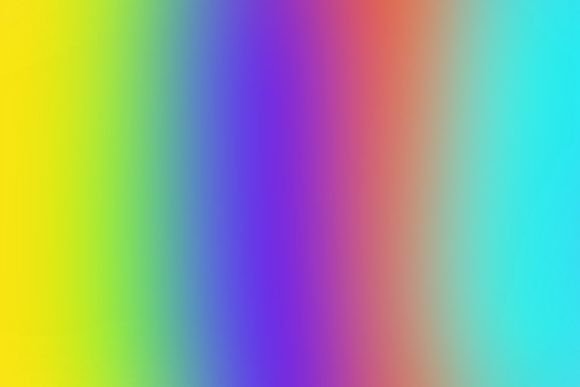
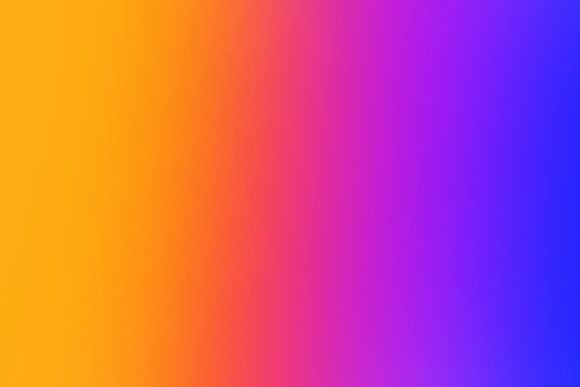
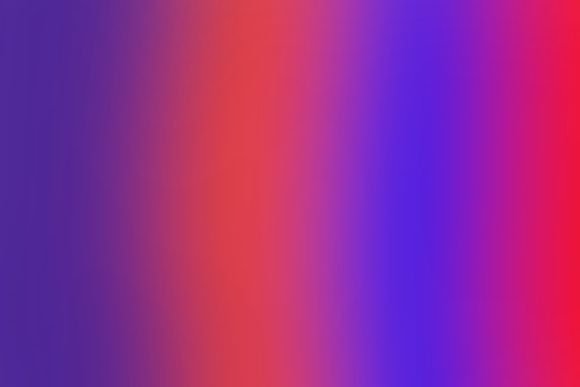
A gradient wallpaper is a type of background that transitions smoothly between two or more colors. It creates a sense of depth and dimension, making it ideal for both digital and print applications. Unlike solid-colored backgrounds, gradients offer a subtle variation that can make designs feel more dynamic and visually engaging.
In the context of design workflows, gradient wallpapers serve as foundational elements. They provide a base upon which other design elements—such as text, logos, or images—can be layered. Their versatility makes them suitable for a wide range of applications, including website headers, app interfaces, promotional materials, and even interior design.
When to Use Gradient Wallpaper in Your Workflow
Gradient wallpaper can be integrated at different stages of a project. During the planning phase, it can help establish a visual identity or mood. For instance, when designing a website, choosing a gradient wallpaper early on ensures consistency across all pages and elements. It also allows for easier alignment with brand guidelines.
During the execution phase, gradient wallpapers can act as a backdrop for content creation. Photographers might use them in photo editing to add a professional touch to their compositions. Similarly, graphic designers can use them as templates for business cards, banners, or social media posts.
After a project is completed, gradient wallpapers can be repurposed for marketing or promotional purposes. For example, a high-quality gradient wallpaper used in a website header can be adapted into a printable poster or flyer for offline distribution.
Practical Implementation and Integration Tips
Integrating gradient wallpaper into your workflow requires attention to detail and compatibility. Here are some practical tips to ensure smooth implementation:
- Choose the Right Format: Ensure that the gradient wallpaper you select is in a high-resolution format (like JPG) and has a resolution suitable for printing (300 dpi). This is especially important if you plan to use it for physical prints such as posters, wall art, or invitations.
- Consider Dimensions: The size of the wallpaper should match the intended application. For example, a large-sized wallpaper (4936x3319px) is ideal for printing on paper or using as a desktop background, while smaller versions may be better suited for mobile apps or web banners.
- Layering Techniques: When using gradient wallpapers in digital design, consider layering them with other elements. Tools like Adobe Photoshop or Canva allow for easy manipulation, enabling you to adjust opacity, add textures, or blend with other graphics.
- Consistency Across Platforms: If you're using gradient wallpapers across multiple platforms—such as websites, social media, and printed materials—maintain a consistent color scheme and style to reinforce brand identity.
Use Cases and Workflow Examples
The versatility of gradient wallpaper means it can be applied in numerous contexts. Here are some real-world examples of how it can be used in different workflows:
- Website Design: A designer working on a portfolio site might use a gradient wallpaper as a background for the homepage. This not only adds visual interest but also helps guide the viewer’s eye toward key content areas.
- Marketing Materials: A small business owner creating promotional flyers could use a gradient wallpaper as a base for their design. This approach ensures that the flyer looks professional and cohesive with the company's branding.
- Interior Design: An interior decorator might choose a gradient wallpaper for a living room wall. The soft transition between colors can create a calming atmosphere while adding a modern aesthetic.
- Photo Editing: A photographer could use a gradient wallpaper as a backdrop for portrait sessions. This provides a clean, stylish background that complements the subject without distracting from the main focus.
Factors to Consider for Long-Term Use and Quality Control
To maximize the effectiveness of gradient wallpaper over time, several factors should be considered:
Preparation: Before selecting a gradient wallpaper, define the purpose and context in which it will be used. This helps avoid unnecessary revisions and ensures that the chosen design aligns with the overall project goals.
Compatibility: Check that the wallpaper is compatible with the tools and platforms you’ll be using. For example, if you're designing for a website, ensure that the file format and resolution are suitable for web display.
Usability: Opt for wallpapers that are easy to manipulate and customize. This reduces the time spent on adjustments and allows for greater flexibility during the creative process.
Organization: Maintain a well-organized library of gradient wallpapers. Categorizing them by color schemes, themes, or use cases makes it easier to locate and reuse them in future projects.
Efficiency: Streamline your workflow by using pre-designed gradient wallpapers that require minimal customization. This is particularly useful when working under tight deadlines or managing multiple projects simultaneously.
Conclusion: Enhancing Creativity with Gradient Wallpaper
Gradient wallpaper is a powerful tool that can enhance both digital and physical design projects. By understanding its role in different workflows and implementing it effectively, you can improve the visual quality of your work while maintaining efficiency and consistency. Whether you're using it for a website, print material, or personal creative endeavor, gradient wallpaper offers a flexible and aesthetically pleasing solution that can adapt to a wide range of needs.