Mandala Pattern: Strategic Design for Purposeful Creativity and Practical Application
The Mandala Pattern, rooted in ancient spiritual traditions, has evolved into a powerful design element with broad applications across creative and professional fields. Its intricate symmetry and repetitive forms offer more than aesthetic appeal—they provide a strategic framework for enhancing focus, communication, branding, and even productivity. Whether you're an entrepreneur looking to refine your visual identity or a designer seeking to elevate your portfolio, understanding the Mandala Pattern’s potential can lead to better decisions and more meaningful outcomes.
Understanding the Mandala Pattern and Its Strategic Value
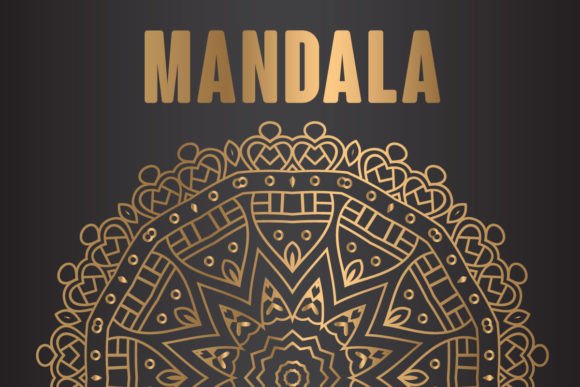
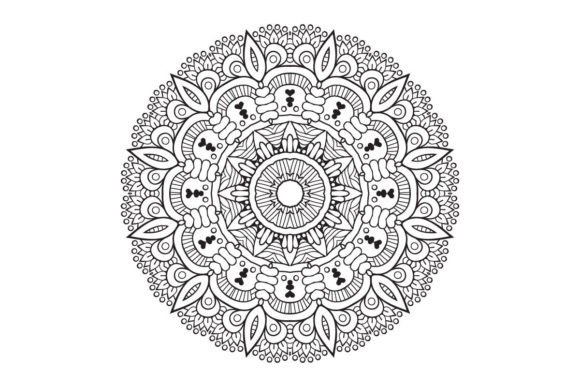
The term "Mandala" originates from Sanskrit, meaning "circle," and traditionally represents the universe in Hindu and Buddhist practices. In modern contexts, a Mandala Pattern refers to circular designs composed of repeating motifs, often symmetrically arranged. These patterns are not just visually captivating; they carry deep symbolic meanings that can be harnessed strategically.
For professionals and creators, the Mandala Pattern offers a unique way to convey balance, harmony, and intention. It can serve as a visual anchor for branding, a meditative tool for personal development, or a decorative element that enhances user experience in digital and print media. The key lies in aligning its use with clear goals and context.
Strategic Applications of Mandala Patterns in Various Fields
The versatility of Mandala Patterns makes them applicable across multiple domains. Here are some strategic use cases:
- Branding and Marketing: Incorporating Mandala Patterns into logos, packaging, or website backgrounds can evoke feelings of calmness and sophistication. This is especially effective in wellness, mindfulness, and eco-friendly industries where harmony and balance are core values.
- Design and Creativity: Artists and designers can use Mandala Patterns as templates for coloring books, greeting cards, or fashion prints. Their structured yet flexible nature allows for both guided creativity and customization.
- Interior and Decorative Design: Circular mandala art can be used as wall decorations, textile patterns, or furniture elements. These designs add visual interest while promoting a sense of order and tranquility in living or working spaces.
- Event and Wedding Planning: Mandala-inspired designs can be integrated into invitations, table settings, or party décor. They create a cohesive and elegant theme that resonates with guests on an emotional level.
- Personal Development and Meditation: Coloring Mandala Patterns is a popular mindfulness practice. It helps reduce stress, improve concentration, and encourage self-reflection. For educators or coaches, offering these as resources can enhance client engagement and well-being.
Each application requires thoughtful planning. Before integrating Mandala Patterns into a project, consider the audience, purpose, and overall message you want to convey. A mismatch between the pattern and context can dilute its impact or even confuse viewers.
Planning Tips for Effective Use of Mandala Patterns
To ensure that Mandala Patterns contribute positively to your projects, follow these practical steps:
- Define Your Objective: Are you using the pattern for branding, decoration, or therapeutic purposes? Clarify your goal to guide your design choices.
- Research Cultural Context: While Mandala Patterns are widely appreciated, their cultural roots should be respected. Avoid misrepresentation by understanding their historical significance and symbolism.
- Choose the Right Format: Depending on your needs, select appropriate file formats such as EPS for high-quality printing or JPG for web use. Ensure scalability and clarity for all intended uses.
- Balance Complexity and Simplicity: Overly intricate patterns may overwhelm the viewer. Opt for designs that align with the overall aesthetic of your project without overshadowing other elements.
- Test with Real Users: If the pattern is part of a product or marketing campaign, gather feedback from your target audience. Their responses will help you refine the design and ensure it meets expectations.
These planning strategies help transform Mandala Patterns from generic visuals into intentional tools that support your broader objectives.
Risks of Using Mandala Patterns Without Clear Strategy
While Mandala Patterns are versatile, their misuse can lead to several challenges. One common risk is overuse—applying them indiscriminately across different platforms or products can result in a lack of coherence and brand dilution. Additionally, failing to consider the cultural context may lead to unintended offense or misinterpretation.
Another risk is the assumption that complexity equals quality. Some creators might believe that more intricate patterns are always better, but this can alienate audiences who prefer simplicity or clarity. It's crucial to strike a balance that aligns with your brand voice and the preferences of your audience.
Lastly, relying solely on Mandala Patterns without considering complementary design elements can limit the effectiveness of your overall strategy. Think about how the pattern interacts with color schemes, typography, and layout to create a cohesive visual language.
How to Use Mandala Patterns Intentionally
Intentional use of Mandala Patterns involves a deliberate approach that considers both form and function. Start by identifying the role the pattern will play in your project. Will it serve as a background, a focal point, or a thematic element? Once defined, choose a style that reflects your brand's personality and resonates with your audience.
Consider the scale and placement of the pattern. A subtle repetition can add depth to a design without overwhelming it, while bold, large-scale mandalas can make a strong visual statement. Always test different variations to see which one best supports your goals.
Finally, document your design choices and rationale. This documentation can be invaluable when revisiting the project later or when sharing insights with stakeholders. It also helps maintain consistency across multiple projects or campaigns.
Conclusion
The Mandala Pattern is more than an artistic expression—it is a strategic design element that can enhance various aspects of your work. By applying it thoughtfully, you can achieve greater alignment between your creative vision and practical outcomes. Whether you're designing for business, personal growth, or community engagement, the Mandala Pattern offers a powerful tool to support your goals with purpose and precision.