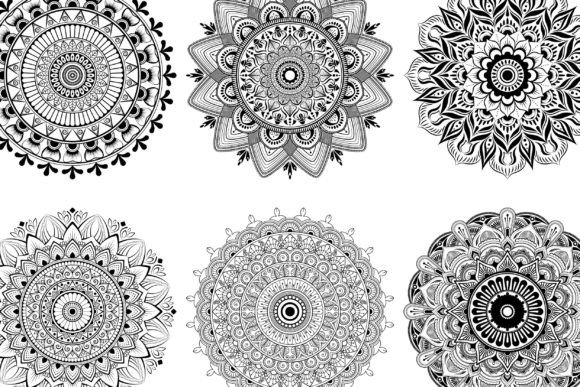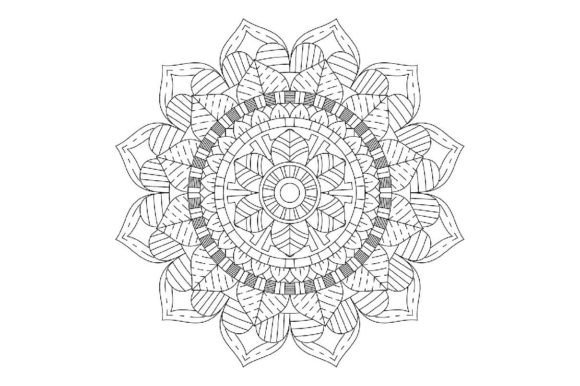
Mandala Tribal: A Fusion of Ancient Symbolism and Modern Design
The Origins and Meaning Behind Mandala Tribal Art
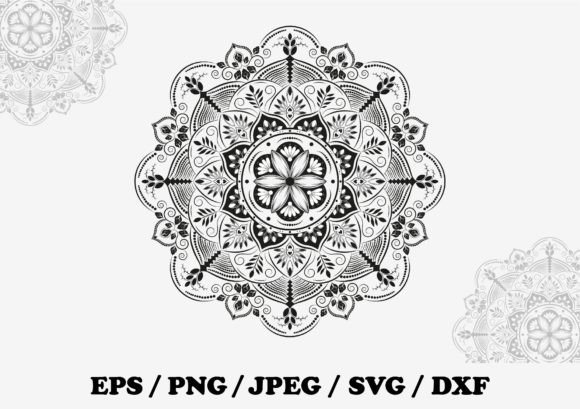
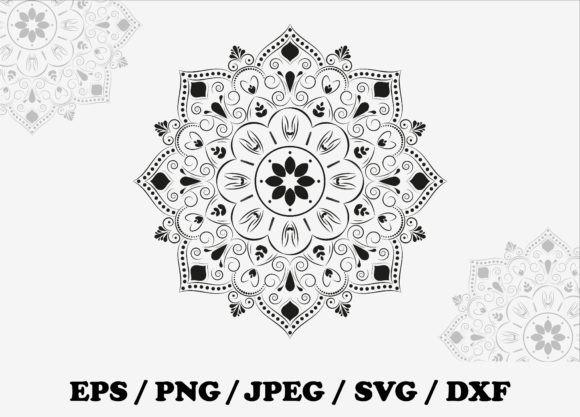
Mandala Tribal is a unique art form that merges the spiritual depth of traditional mandalas with the bold, rhythmic elements of tribal patterns. Rooted in ancient cultures from Asia, Africa, and the Americas, these designs have been used for centuries in rituals, ceremonies, and as symbols of protection, healing, and unity. The term "mandala" comes from Sanskrit and means “circle,” representing wholeness and interconnectedness. When combined with tribal motifs—such as zigzags, dots, lines, and geometric shapes—the result is a visually striking and deeply symbolic design language.
These intricate patterns are not only aesthetically pleasing but also carry profound meaning. They often reflect cultural stories, natural elements, or spiritual beliefs. For instance, some tribal patterns symbolize the flow of water or the movement of the wind, while others represent community bonds and ancestral connections. This fusion makes Mandala Tribal an ideal choice for those seeking both artistic beauty and meaningful symbolism in their creative projects.
Applications of Mandala Tribal in Contemporary Design
The versatility of Mandala Tribal patterns allows them to be applied across a wide range of mediums and industries. From personal meditation practices to commercial branding, these designs offer endless possibilities for creative expression.
One of the most popular uses of Mandala Tribal art is in meditation posters. These visual aids help individuals focus during mindfulness and relaxation sessions. The repetitive nature of the patterns can induce a meditative state, making them ideal for yoga studios, wellness centers, and personal spaces dedicated to mental well-being.
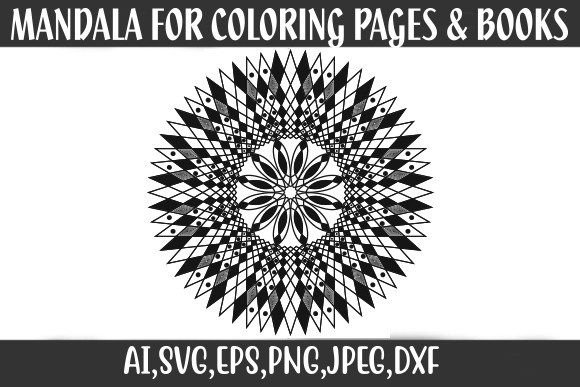
Adult coloring books have also embraced this style, offering users a chance to engage with complex designs that promote creativity and stress relief. The combination of mandala symmetry and tribal elements provides a rich tapestry for colorists to explore, transforming each page into a personal masterpiece.
In the world of body art, Mandala Tribal has become a favorite among tattoo enthusiasts. The intricate details and deep symbolism make it a meaningful choice for permanent body art. Similarly, henna and mehndi designs often incorporate these patterns, especially in South Asian cultures where they are used for weddings and festivals. The temporary nature of henna allows for bold, expressive designs that celebrate tradition and individuality.
For event planners and designers, wedding invitations, greeting cards, and gift vouchers featuring Mandala Tribal patterns add a touch of elegance and cultural richness. These designs can be tailored to match specific themes, whether modern, bohemian, or traditional, ensuring a cohesive aesthetic across all printed materials.
Designing with Mandala Tribal Elements in Business and Fashion
The application of Mandala Tribal extends beyond personal use into professional and commercial settings. In the realm of business cards, these patterns can convey a sense of creativity, spirituality, or cultural awareness. A well-designed business card with Mandala Tribal artwork can leave a lasting impression on clients and colleagues alike.
Fashion designers have also adopted this style, incorporating tribal mandala prints into clothing lines, accessories, and textiles. The bold, eye-catching nature of these patterns makes them perfect for statement pieces such as jackets, scarves, and jewelry. Whether in high fashion or everyday wear, Mandala Tribal adds a unique flair that stands out in a crowded market.
For digital creators and graphic designers, Mandala Tribal offers a versatile foundation for background patterns and vector illustrations. These can be used in web design, app interfaces, social media content, and more. The scalability of vector files ensures that the designs remain crisp and clear at any size, making them suitable for both print and digital formats.
Creating and Using Print-Ready Files
When working with Mandala Tribal designs, having access to high-quality, print-ready files is essential. These files typically come in two common formats: EPS (Encapsulated PostScript) and JPG (Joint Photographic Experts Group). EPS files are vector-based and ideal for scalable printing, while JPGs are raster images suited for web use and photo-quality prints.
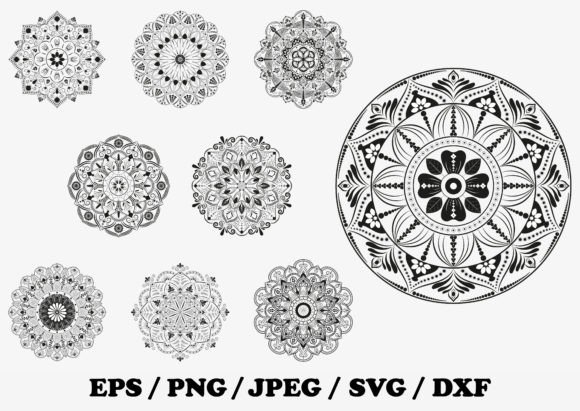
Creative professionals often receive 100 print-ready files when purchasing Mandala Tribal design packs. These files provide a comprehensive library of patterns, each ready to be customized and applied to various projects. Whether you're designing a poster, creating a greeting card, or developing a brand identity, these resources offer flexibility and efficiency.
The process of using these files involves importing them into design software such as Adobe Illustrator, Photoshop, or InDesign. Once imported, the designs can be resized, recolored, or layered with other elements to suit the project's needs. This adaptability makes Mandala Tribal an excellent choice for both beginners and experienced designers looking to expand their creative toolkit.
Considerations for Working with Mandala Tribal Designs
While Mandala Tribal patterns are highly versatile, there are a few considerations to keep in mind when using them in your projects. First, it's important to respect the cultural significance of these designs. Many tribal patterns have deep roots in specific communities and should be used thoughtfully and respectfully.
Another consideration is the balance between complexity and clarity. While intricate patterns can be visually stunning, they may also be overwhelming if not used appropriately. It's crucial to ensure that the design complements the overall composition rather than overshadowing it.
Lastly, when using Mandala Tribal designs in commercial contexts, it's advisable to check the licensing terms to ensure that the use aligns with the intended purpose. Some design packs may require attribution or restrict certain types of commercial use.
By keeping these factors in mind, creators can harness the full potential of Mandala Tribal art while maintaining ethical and practical standards in their work.